
Who Pays the Property Taxes in the Quad Cities? When You Sell Your Home
Property taxes are one of the most confusing parts of a real estate transaction, especially in the Quad Cities where buyers and sellers are often dealing with two states. A question I get all the time is:
When you sell a house, who actually pays the property taxes in the Quad Cities?
The short answer is straightforward: the seller pays the property taxes up to the day of closing, and the buyer pays the taxes after the closing date. The longer explanation is important, because how this is handled at closing is where many people get caught off guard.
How Property Taxes Work When You Sell a Home in the Quad Cities
Property taxes are handled through a process called proration. In plain English, that means the seller is responsible for the portion of property taxes that apply to the time they owned the home, and the buyer takes over responsibility from the day they close.
Sellers do not keep paying property taxes after the home is sold. Everything is accounted for and settled at the closing table.
Property Taxes Are Paid in Arrears (And Why That Matters)
One thing that often causes confusion is how property taxes are paid. In the Quad Cities, property taxes are paid in arrears. That means when you pay property taxes this year, you are actually paying for last year’s assessment.
Because of this timing, sellers often end up giving a property tax credit to the buyer at closing. That credit helps cover taxes the buyer will pay in the future that apply to the period when the seller still owned the home.
Depending on when the sale closes, this credit can be larger or smaller, which is why sellers sometimes feel surprised when they see property taxes coming out of their proceeds.
Is Property Tax Responsibility Settled at Closing?
Yes. Property taxes are settled at closing.
If taxes will be due later for a period when the seller owned the home, the seller provides a credit to the buyer at closing. Once the sale is complete, the seller is done with property taxes for that property.
There is no scenario where a seller continues paying property taxes after closing.

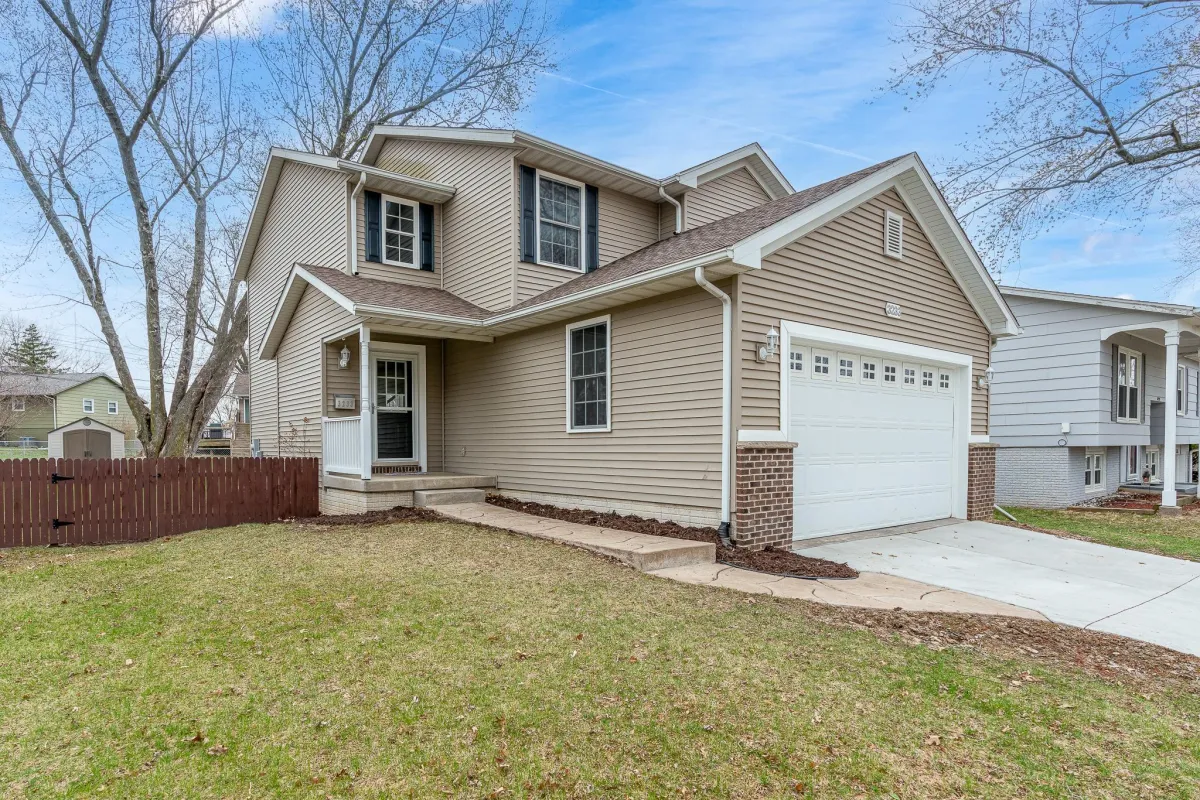
bettendorf iowa homes
A Real Example From My Own Closing
This is something I experienced personally.
When I bought a home, I received a property tax credit from the seller at closing. At the time, I didn’t fully understand why my cash-to-close was lower than I expected. That credit covered the seller’s portion of the taxes that would be paid later, which meant I didn’t have to write as large of a check at the closing table.
It’s a good example of how property tax proration can benefit a buyer and why sellers need to expect that adjustment in their final numbers.
Who Calculates Property Taxes at Closing?
This is handled by professionals, not estimates.
In Illinois, title companies calculate property tax prorations.
In Iowa, attorneys typically calculate the prorations.
They use the most accurate tax information available and apply the proration based on the closing date to make sure both parties pay their fair share.
Are Property Taxes Different Between Iowa and Illinois?
From a seller’s responsibility standpoint, there are no major differences between Iowa and Illinois when it comes to paying the taxes.
Property taxes are prorated at closing in both states, and sellers are responsible for taxes up to the day they own the home. The billing systems and timelines differ behind the scenes, but the outcome for sellers is essentially the same.
What Happens After the Buyer Closes?
Once the buyer closes on the home, most buyers who are using a mortgage will have an escrow account with their lender. The lender collects money monthly as part of the mortgage payment and pays the property taxes on the buyer’s behalf when they come due.
This doesn’t change how taxes are handled for the seller, but it explains why buyers pay close attention to tax credits at closing.
How I Help Sellers Avoid Property Tax Surprises
I always tell sellers to expect property taxes to come out of their proceeds. That part isn’t optional, but surprises are avoidable.
Before listing a home, I go over a net sheet with sellers so they have a realistic idea of what their numbers may look like at closing, including estimated property tax prorations. Knowing this upfront makes the closing process far less stressful.
The Bottom Line
When you sell a house in the Quad Cities, you pay property taxes up to the day of closing, and the buyer takes over after that. Because property taxes are paid in arrears, sellers often provide a credit at closing to account for future tax bills tied to the time they owned the home.
Once closing happens, the seller is finished with property taxes for that property. Everything is settled clearly and fairly at the closing table.
Frequently Asked Questions (FAQ)
Q: When you sell a house in the Quad Cities, who pays the property taxes?
A: The seller pays property taxes up to the day of closing, and the buyer is responsible for taxes after the closing date. This is handled through prorations at closing.
Q: Are property taxes settled at closing when you sell a home?
A: Yes. Property taxes are settled at closing. Sellers do not owe property taxes after the sale is complete.
Q: Why do sellers give buyers a property tax credit at closing?
A: Property taxes are paid in arrears, meaning taxes paid this year apply to last year’s assessment. Sellers often give buyers a credit for taxes that will be paid later but apply to the time the seller owned the home.
Q: Who calculates property tax prorations at closing in the Quad Cities?
A: In Illinois, title companies calculate property tax prorations. In Iowa, attorneys typically handle the calculation.
Q: Are property tax rules different between Iowa and Illinois?
A: While the billing systems differ, the seller’s responsibility is essentially the same in both states. Property taxes are prorated to the closing date in Iowa and Illinois.
Q: Do buyers usually pay property taxes themselves after closing?
A: Most buyers with a mortgage will have an escrow account. The lender collects money monthly and pays the property taxes on the buyer’s behalf when they are due.
Making Your Move Easier
Moving forward does not have to be overwhelming. With the right guidance, experience, and local knowledge, the process can feel clear, calm, and manageable. That’s where working with the right agent makes all the difference.
Alex Skeen is trusted by buyers and sellers across the Quad Cities for his deep local expertise, clear communication, and ability to handle the details that matter most. From first questions to closing day, his focus is protecting your interests and making the process as smooth and stress-free as possible.
If you want straightforward advice from one of the most trusted real estate professionals in the Quad Cities, here’s how to get in touch:
📧 Email: [email protected]
📞 Phone: 563-284-7474
💻 YouTube: LIVING IN THE QUAD CITIES


